A greenhouse is a production asset. We engineer it, build it and stay for the first harvest.
Eado Agri-Tech designs and manufactures complete protected-cultivation projects for growers, investors and food-security programmes — structure, covering, climate, irrigation, installation and support, from one plant in Hebei.
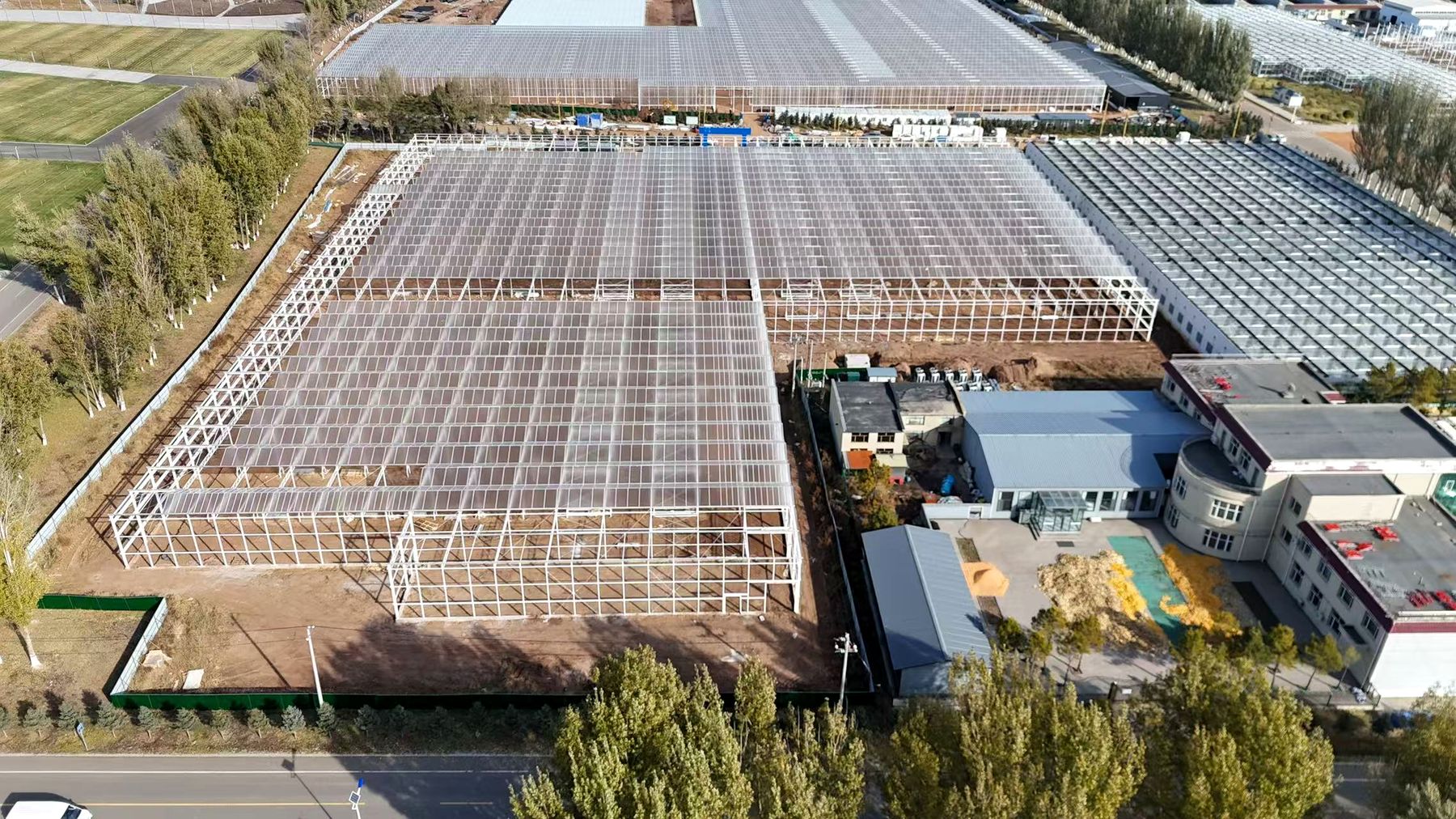
Site record · multi-span Venlo range · structure and glass
Factory and site record →Choose a house by climate and crop, not by brochure cover
Four glass configurations, three film families, photovoltaic, PC and propagation houses. Each page carries the structure and covering specification, the systems that normally travel with it, and the crops it suits.
Venlo glass greenhouse
The reference glasshouse for high-light, high-value crops: small glass roofs, precise climate control, twenty-year service life.
Semi-closed glass greenhouse
A glasshouse that keeps a small over-pressure and treats ventilation as a controlled air path, not a hole in the roof.
Poly tunnel greenhouse
The lowest-capital protected structure per square metre: steel hoops, a film cover and a crop that pays for it in one or two seasons.
Multi-span film greenhouse
A gutter-connected film house: the economy of plastic with the working height, ventilation and equipment space of a commercial structure.
Double-layer inflated film greenhouse
Two films and a controlled air gap: the cheapest way to hold night temperature and stop condensation dripping on the crop.
Photovoltaic greenhouse
A roof that earns: PV on part of the structure, crop underneath, and the electricity goes to pumps, fans, lighting or the grid.
Four photographs, one project sequence
Steel arrives as coil, leaves the plant as a galvanised bay, stands on site as a bare frame and ends up carrying a crop. Whatever a brochure shows you should be traceable to one of these four stages.
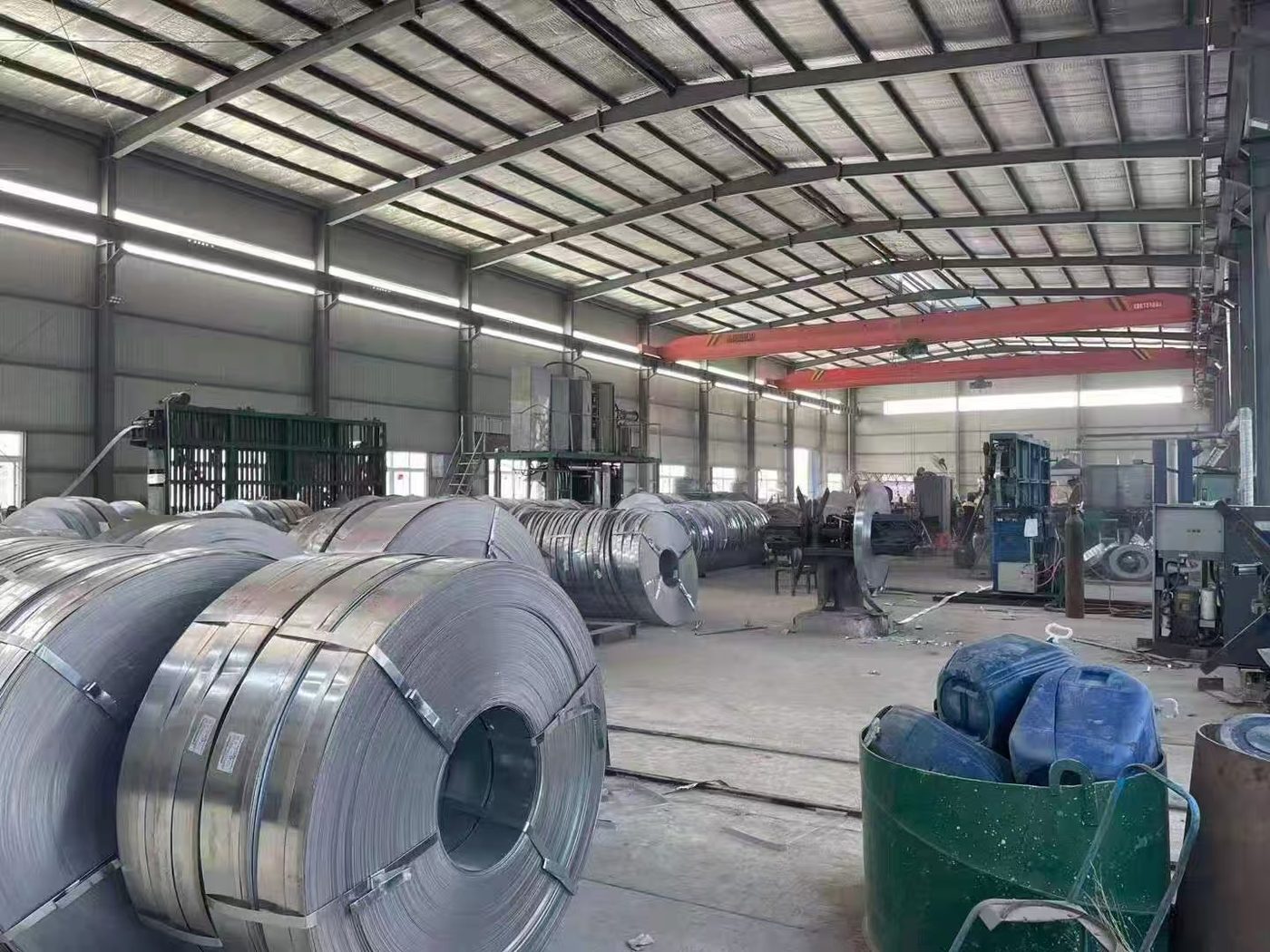
Galvanised strip, slit to profile width
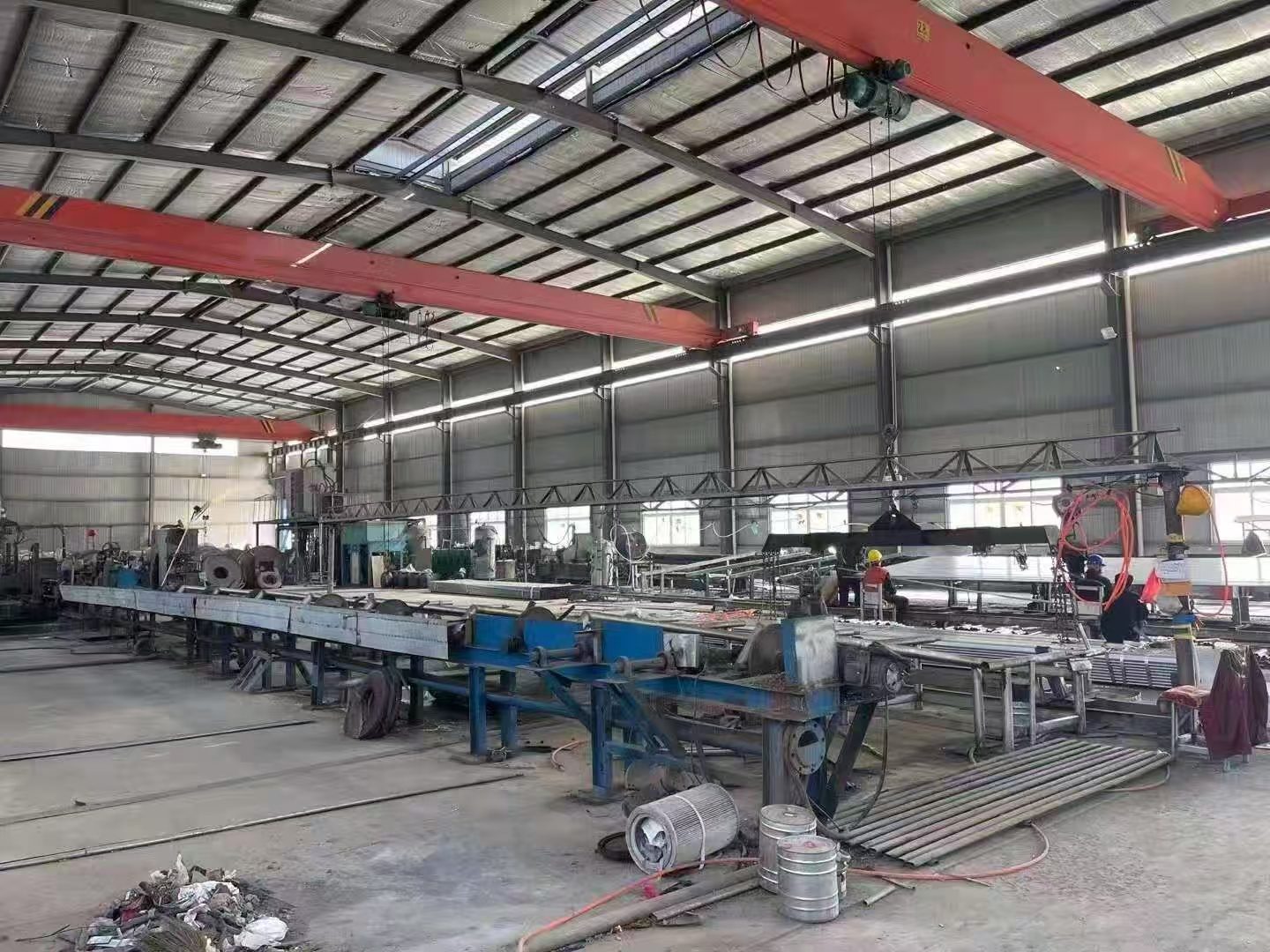
Cutting, welding, then coating
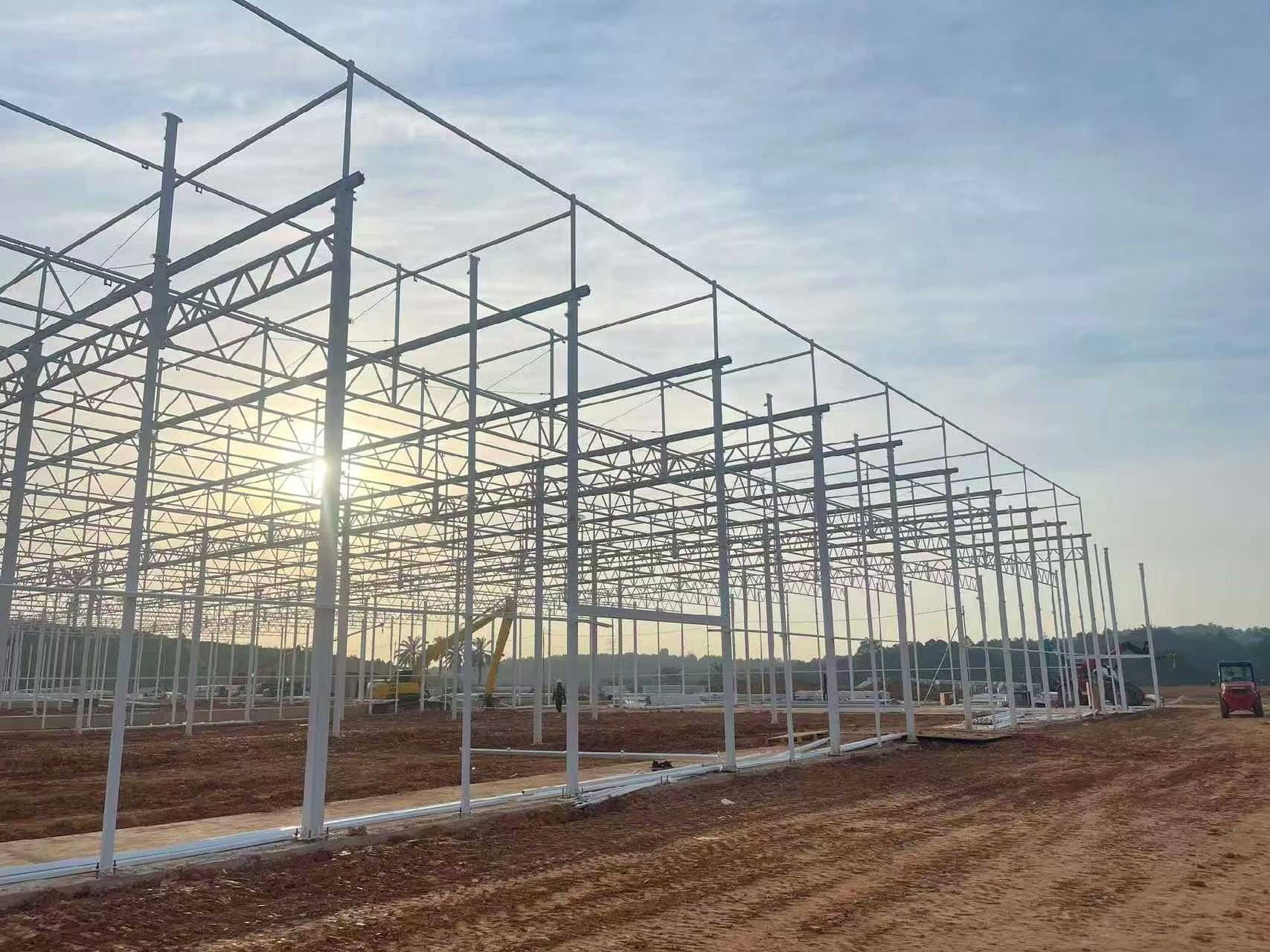
Structure erected before covering
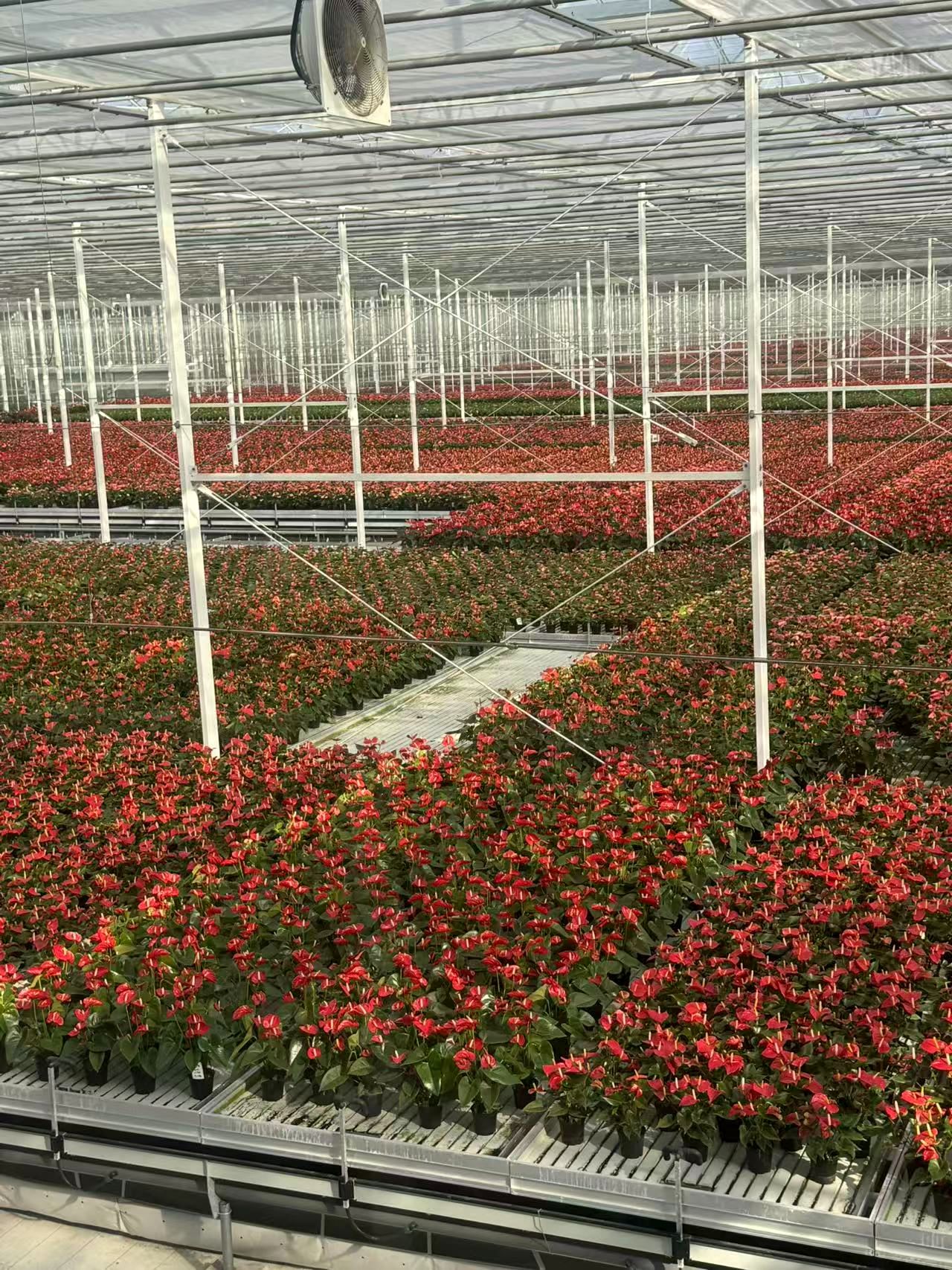
Benches, light and climate working together
What turns a structure into a production facility
A frame and a cover give you shelter. Vents, screens, cooling, heating, fertigation and a controller give you a season you can plan.
Engineered for the site, not the catalogue
Gulf humidity, Central Asian winters, East African altitude and Southeast Asian typhoons each change the structure, the cover and the cooling strategy. Market pages set out what changes and why.
Six stages, and a document at the end of each one
Buyers enter at different points: some have land and nothing else, some have a design and need manufacture. The stages are the same; the entry point moves.
What a buyer can check before signing
Certification, patents, a plant that can be visited, and a document set that arrives with every stage. No client logos borrowed from someone else's brochure.
ISO 9001:2015, dual ICR, SGS tested
Hold points on coil, profiles, welds, coating and packing, with records travelling in the container.
100+ invention patents
40 glass profiles, 15 film profiles, 24 logistics nursery beds, 9 F-clean systems, 15 irrigation parts.
One plant, coil to container
Roll-forming, CNC cutting, welding, galvanising or spraying, and packing by installation sequence.
Read before you shortlist a supplier
Seventeen procurement and engineering guides written for buyers, not for search engines: specification, RFQs, quote comparison, loads, humidity, energy, shipping, commissioning.
How to specify a commercial greenhouse
A specification that a supplier can price and a contractor can build, in the order that avoids rework.
RFQ checklist for a greenhouse project
Twenty-three items that turn an enquiry into a comparable quotation.
Comparing greenhouse quotations
Why the cheapest quote is rarely the lowest cost, and how to normalise them before you decide.
Tell us the site, the crop and the budget
You get a greenhouse family recommendation, a preliminary layout and a cost range — not a catalogue page. One working day to reply.